
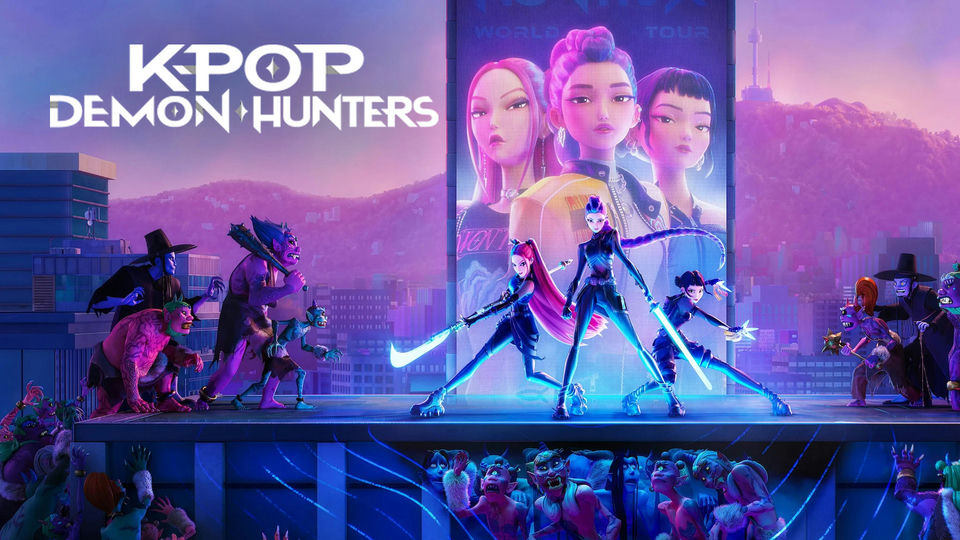
The animated musical film K-Pop Demon Hunters has become a cultural sensation, topping global streaming charts and igniting discussions on K-pop, diaspora identity, and Korean authenticity in international media. Released by Netflix and produced by Sony Pictures Animation, the film has garnered over 80 million views in less than a month, eclipsing traditional K-pop powerhouses like BTS and BLACKPINK in digital reach.
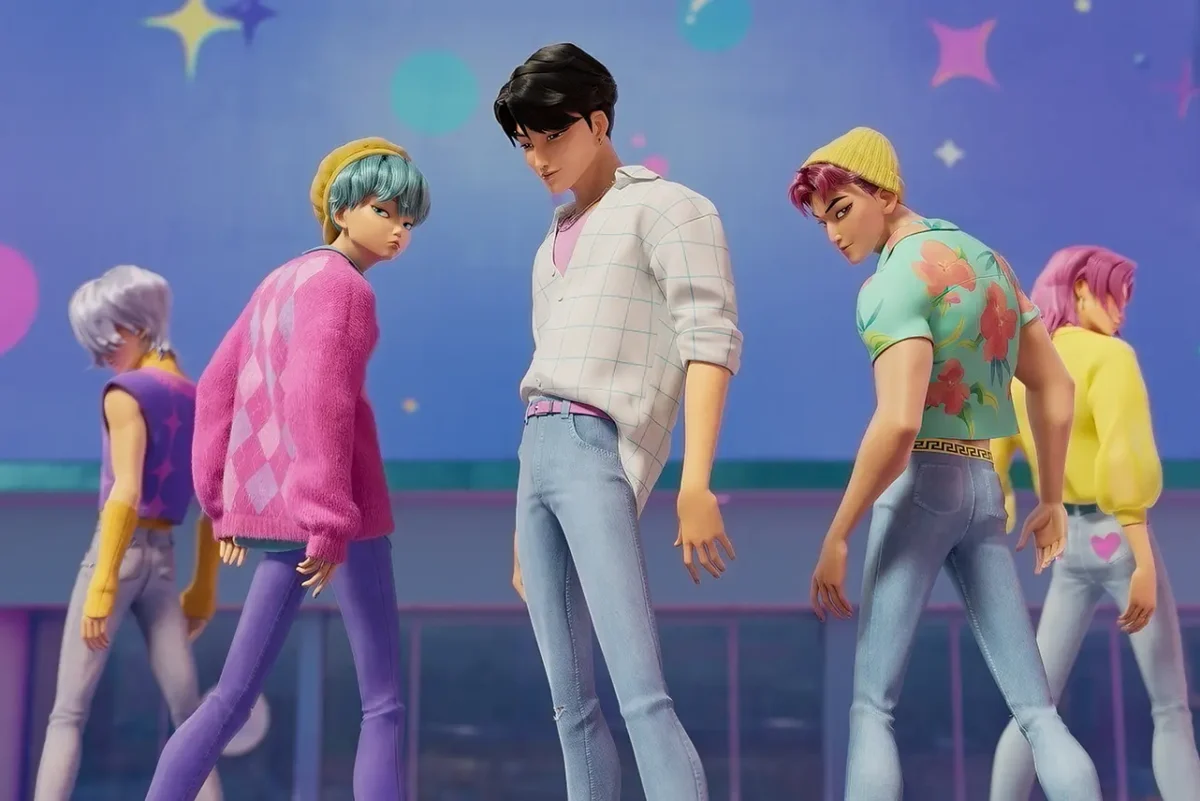
Despite being a U.S. production, the film stands out for its meticulous depiction of Korean culture. From bustling subway stations to traditional bathhouses, from herbal medicine clinics to sidewalk food stalls, K-Pop Demon Hunters integrates everyday Korean experiences into a narrative that blends fantasy, music, and folklore. These culturally rich elements are interwoven with original songs performed by fictional idol groups HUNTR/X and Saja Boys, including the chart-topping track Golden.

The film’s creators, including Korean-Canadian director Maggie Kang and a largely Korean-American voice cast, have drawn from personal diaspora experiences to shape the emotional depth of its characters. The protagonist Rumi, portrayed by Arden Cho, embodies the duality of cultural heritage and belonging born of both demon and hunter lineage, she grapples with identity in a world of performance and secrecy.
This narrative of “borderland identity” reflects broader themes relevant to modern diasporic communities. The creators’ approach, deeply informed by their own bicultural upbringings, allows the film to resonate globally while maintaining distinctly Korean sensibilities.


Music plays a pivotal role in the film’s success. Tracks like Golden follow the structural logic of hit K-pop songs while incorporating bilingual lyrics that blend English and Korean seamlessly. The strategic use of familiar K-pop tracks, such as EXO’s “Love Me Right” and Melomance’s “Love, Maybe,” adds layers of recognition and emotional connection for viewers.
Beyond music, the animation includes subtle but impactful representations of Korean traditions—norigae-inspired logos, seonangdang spirit shrines, and symbolic animals from Korean folklore, such as tigers and magpies. These elements enrich the story’s cultural texture, elevating it beyond a generic musical to a thoughtfully crafted tribute to Korean heritage.


However, the film’s success has also sparked debate. As K-Pop Demon Hunters gains acclaim for its authenticity, questions arise about the role of Korean creators in global K-pop storytelling. While the film exemplifies the power of Korean-American and diaspora-led content, it also highlights the minimal involvement of South Korean production entities in the global commercialization of Korean culture.
Industry observers note that K-Pop Demon Hunters marks a pivotal moment for K-content. It demonstrates that Korean culture, while rooted in specific traditions, has become a global commodity—one that transcends national boundaries and creative ownership. Yet it also underscores the need for Korean creators to secure a more central role in this evolving landscape.

As Variety notes, the film “celebrates femininity and cultural pride in a visually dynamic musical journey,” and is a strong contender for next year’s Academy Award for Best Animated Feature. Its success may signal the emergence of a new standard for culturally rooted, globally resonant storytelling.
Daum
You must be logged in to post a comment.