
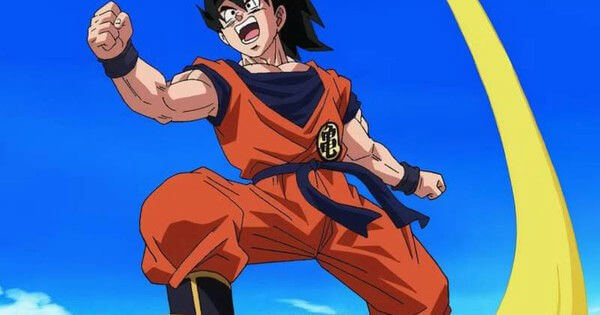
For more than four decades, Dragon Ball has cast a long and powerful shadow over the world of shōnen manga and anime. Since its creator Akira Toriyama launched the original manga in 1984, the adventures of Goku and his friends have provided joy and inspiration across generations.
Many of today’s legendary manga‑ and anime‑creators explicitly cite Dragon Ball as a foundational influence on their work. Without it, the modern shōnen genre as we know it might never have taken shape. Here are ten standout series that owe much to Dragon Ball’s legacy:
Jujutsu Kaisen – The current contender for the throne of big‑shōnen, with fight style and power escalation clearly echoing Dragon Ball’s format.
One‑Punch Man – Flips the Dragon Ball tropes on their head, using the concept of escalating power levels to parody as well as homage the original.
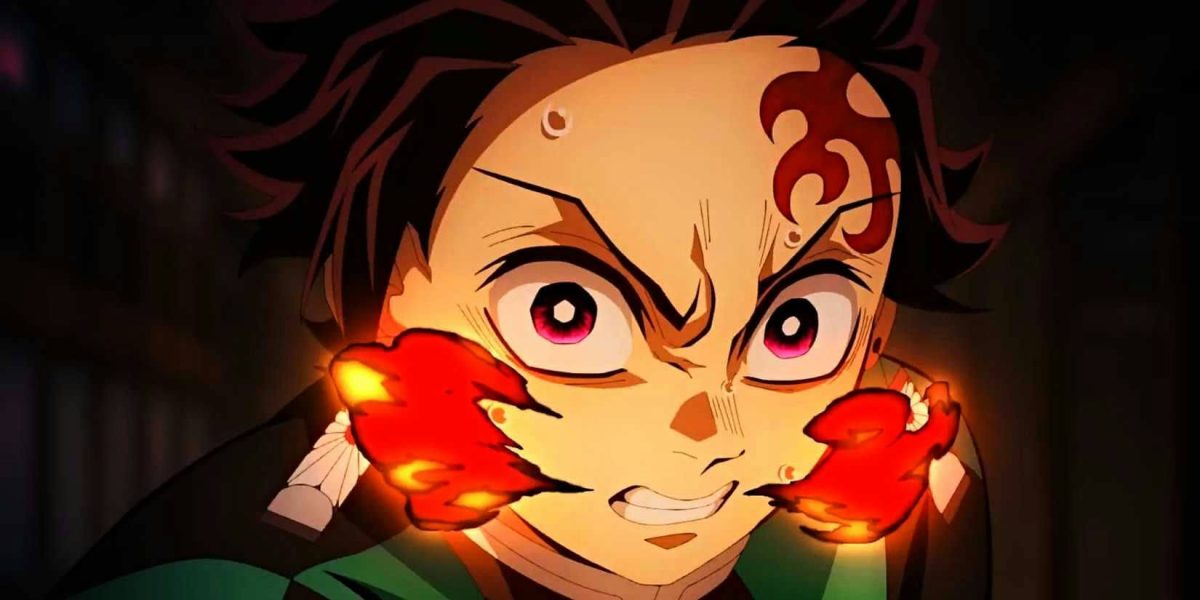
Demon Slayer – With dynamic battle sequences, power‑ups and signature moves, it stands as a modern generation’s answer to Dragon Ball.
Yu Yu Hakusho – A direct peer of Dragon Ball in the late 1980s/early 1990s, with supernatural battles and tournament arcs inspired by what Toriyama pioneered.

Bleach – Its creator openly acknowledged drawing from Dragon Ball’s villains and escalating fight structure.
Naruto – One of the “Big Three”, with protagonist Naruto mirroring the cheerful, determined spirit of Goku and battles that build via training and power‑ups.
One Piece – Even older shōnen giants owe a debt: Creator Eiichiro Oda grew up as a “Dragon Ball kid” and built Luffy’s journey on adventure, friendship and rising stakes.

The Seven Deadly Sins – Combines fantasy, action and humor; its author has acknowledged Dragon Ball as the spark that made him want to become a manga artist.
My Hero Academia – A newer generation shōnen that draws on the power system structure, hero versus villain dynamics and training arcs first popularised by Dragon Ball.
Gintama – A loving tribute to shōnen tropes, Gintama references Dragon Ball countless times through parody, homage and self‑awareness.

Dragon Ball didn’t just succeed—it created the blueprint for what a modern shōnen fight series could look like. As critics note, it popularised transformation sequences, power scaling, constant training arcs, and high‑stakes battles, establishing many of the conventions we now take for granted.
Without it, the landscape of anime and manga might look very different—and some of today’s biggest titles simply might not exist.
Sources: gamek
You must be logged in to post a comment.